What do earthworks include? A practical construction guide
August 27, 2026
Earthworks reshape, remove, move or compact soil and rock so a site can support construction, drainage, access or landscaping. Depending on the project, they may include clearing, excavation, cut-and-fill, grading, trenching, footing preparation, material removal, imported fill and compaction. The required work should follow the project design and site conditions.
Why are earthworks important?
Buildings, roads and external works rely on properly prepared ground. Poor levels, unsuitable material or uncontrolled water can create access problems and affect later construction. Earthworks establish the shape and condition needed for the planned use.
What services can form part of earthworks?
- Site clearing and removal of unsuitable materials
- Bulk or detailed excavation
- Cutting high areas and filling low areas
- Grading and level preparation
- Trenching for drainage or services
- Footing, pad and platform preparation
- Loading and haulage of spoil
- Placement and compaction of approved fill
What is the difference between bulk and detailed earthworks?
Bulk earthworks move larger volumes to establish broad site levels. Detailed earthworks focus on precise areas such as trenches, footings, batters and final trimming. Many projects need both stages, with different machinery or attachments used for each.
How do ground conditions affect the work?
Soil type, moisture, rock, contamination, slope and existing structures can change the method and equipment required. Site investigation and engineering information help reduce uncertainty and avoid moving unsuitable material twice.
Do earthworks require approval?
They can. Filling, excavation, retaining, drainage and building-related works may trigger council, planning, engineering or certification requirements. Confirm these before changing site levels.
Frequently asked questions
Are earthworks completed before foundations?
Usually, the relevant excavation and level preparation occur before foundation construction, following the design and construction sequence.
What happens to excavated soil?
Suitable material may be reused where approved. Excess or unsuitable spoil may require loading, transport and disposal at an appropriate facility.
Can demolition and earthworks use the same equipment?
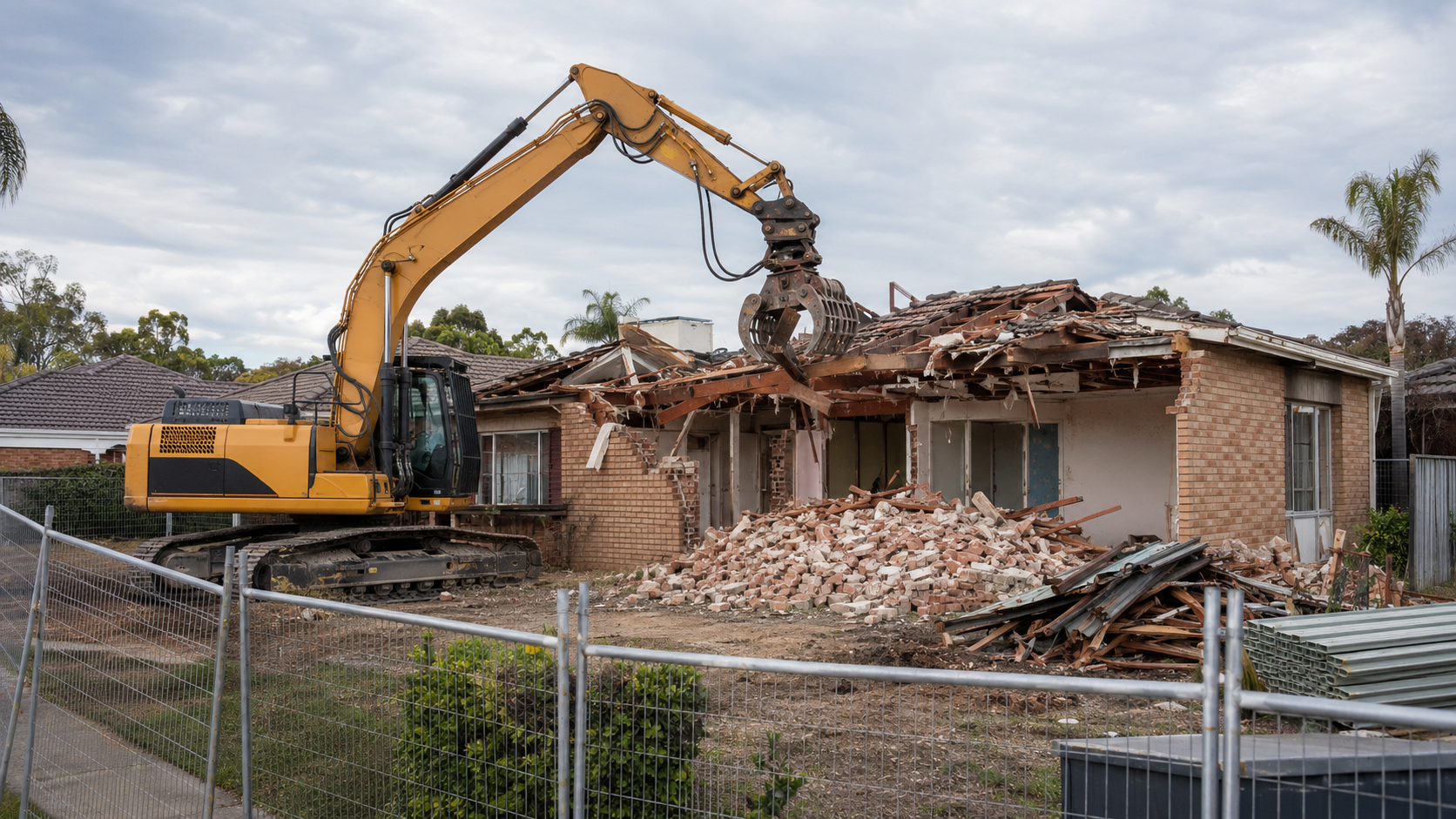
Some excavators and attachments can support both services, but equipment selection must suit each task and site constraint.
Explore Thor Group’s earthworks services for demolition sites, construction preparation and broader project support.
Recent posts