How is asbestos safely removed? A step-by-step guide
August 27, 2026
Safe asbestos removal begins with identifying the material and planning controls around its condition and location. The area is isolated, suitable protective equipment and removal methods are used, waste is contained for approved disposal, and the work area is carefully cleaned. Additional monitoring or clearance may be required for particular removal work.
Why does the material type matter?
Non-friable asbestos is bonded within another material, while friable asbestos can be crumbled or reduced to powder when dry. Friable material presents a greater fibre-release risk and requires a Class A asbestos removalist in Queensland. Larger non-friable jobs also carry licensing requirements.
What happens before removal starts?
The team reviews the material, quantity, access and nearby occupants. The work area and removal method are then planned. Services may need to be isolated, and neighbouring workers or occupants may require clear instructions about restricted areas.
How is the area controlled?
Controls depend on the job. They can include barriers, signage, sealed work zones, dust suppression, appropriate respiratory protection and decontamination arrangements. The purpose is to prevent fibres from spreading beyond the controlled area.
How is asbestos taken out?
Materials are removed using methods intended to minimise breakage and dust. They are not treated like ordinary construction waste. Removed materials and contaminated consumables are securely contained, labelled and handled in accordance with the applicable requirements.
What happens to the waste?
Asbestos waste must go through lawful transport and disposal channels. It should never be placed in general construction waste or dumped. Proper documentation and approved facilities help maintain a controlled chain from removal to disposal.
How is the area handed back?
The work area is cleaned and inspected. Depending on the asbestos type and removal class, air monitoring, an independent clearance inspection or a clearance certificate may be required before normal access resumes.
Frequently asked questions
Should asbestos be removed before demolition?
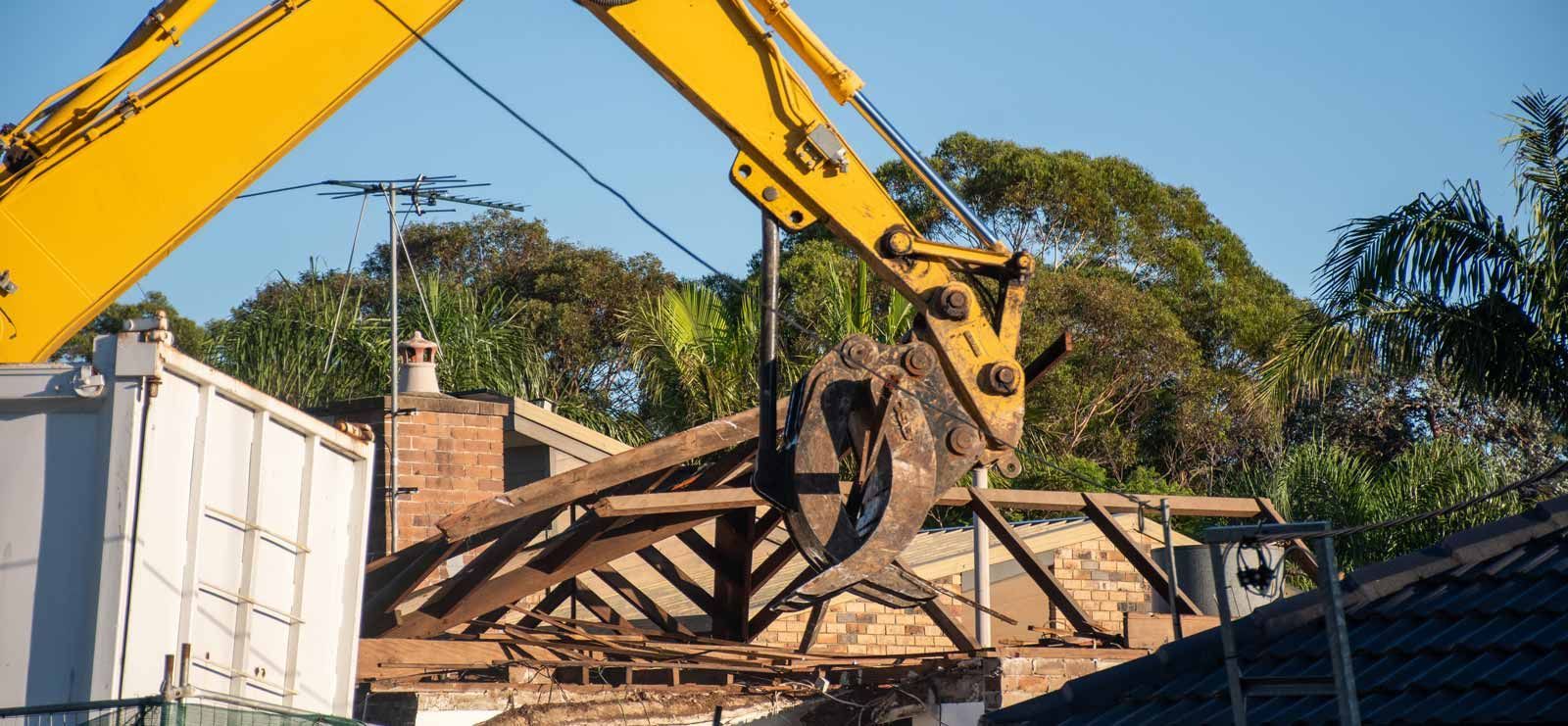
Suspected asbestos should be assessed before demolition. Removing it under controlled conditions helps prevent fibres from contaminating mixed demolition debris.
Can occupants remain in the building?
This depends on the material, removal area and controls. The removal plan should clearly identify exclusion zones and whether areas must be vacated.
How long does removal take?
Timing varies with quantity, access, containment and clearance requirements. A small accessible job can differ significantly from a complex commercial site.
Thor Group provides planned asbestos removal alongside demolition and site-preparation services.
Recent posts