Soil remediation explained: When is it required?
August 27, 2026
Soil remediation manages contaminated ground so risks to people, the environment and future land use can be controlled. It may involve assessment, excavation, offsite disposal, onsite treatment, containment or replacement with suitable material. The correct approach depends on the contaminant, its extent, site conditions, regulatory requirements and the property’s intended use.
What can cause soil contamination?
Contamination may come from previous industrial activity, fuel or chemical spills, buried waste, asbestos fragments, lead-based materials or uncontrolled fill. It is not always visible, so historical information and environmental testing can be important.
When might remediation be needed?
It may be identified during due diligence, demolition, excavation, redevelopment or an environmental assessment. Unexpected odours, discoloured soil, buried materials or asbestos-containing fragments can also trigger further investigation. Stop and obtain specialist advice rather than spreading suspected material across the site.
What does the process involve?
- Review the site history and proposed use.
- Engage appropriate environmental professionals for investigation.
- Identify the contaminant and affected area.
- Develop a remediation or management plan.
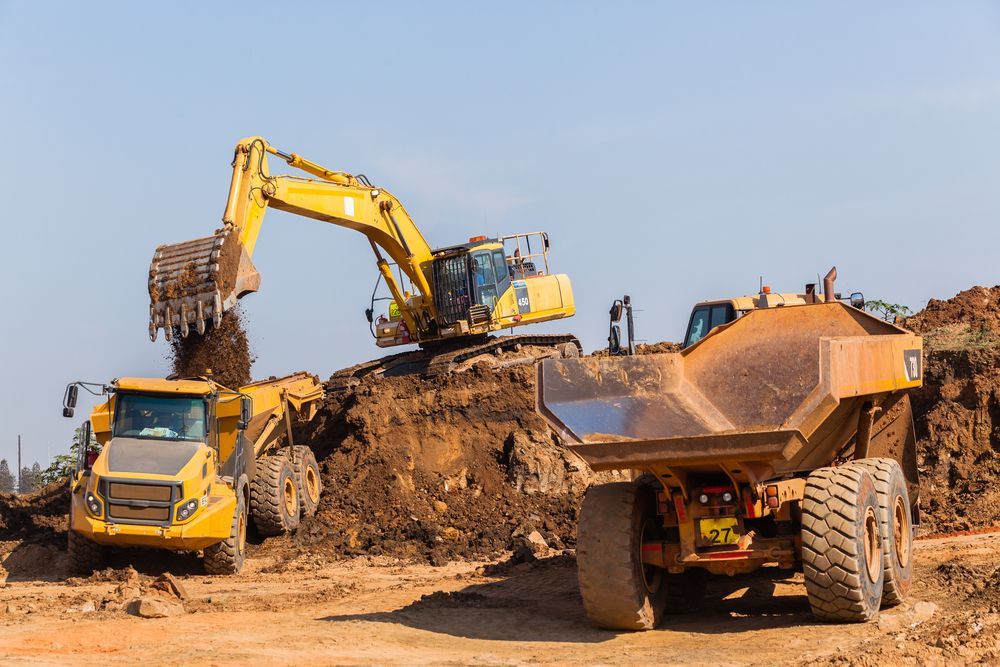
- Excavate, treat, contain or remove material as specified.
- Complete validation or clearance requirements.
- Prepare the area for its next approved use.
Is all contaminated soil removed?
No. Removal and lawful disposal may be appropriate in some cases, while treatment or containment may suit others. The decision should be based on professional assessment, regulatory requirements, practicality and the intended land use.
How does remediation connect with demolition?
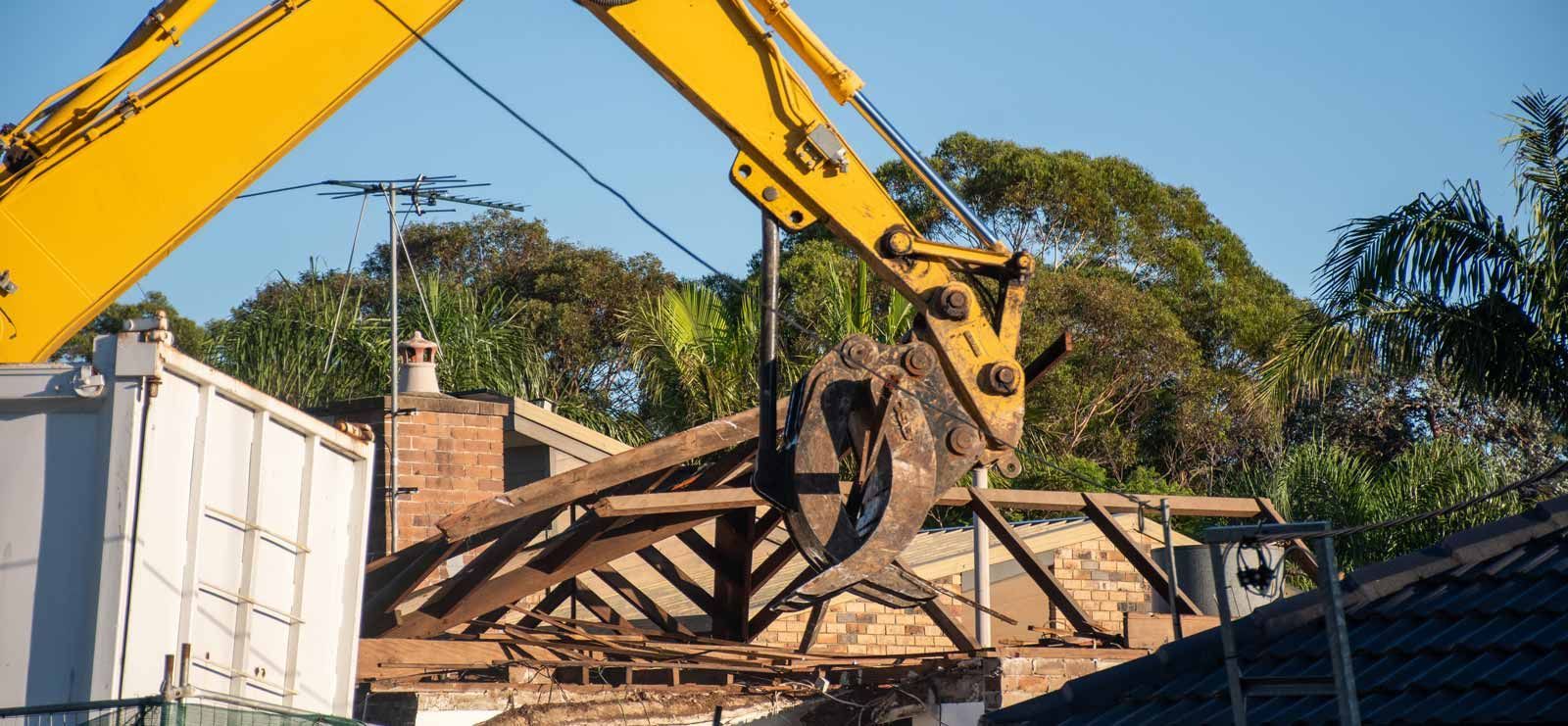
Demolition can expose contaminated fill or asbestos debris that was previously concealed. Coordinating demolition, material separation, excavation and haulage helps prevent unnecessary handling and keeps the project sequence clearer.
Frequently asked questions
Can contaminated soil be reused?
Only when assessment and the applicable requirements support that use. Suspected material should not be moved or reused without appropriate advice.
How long does remediation take?
Timing depends on investigation, contaminant type, volume, treatment method, approvals, disposal access and validation requirements.
Who confirms remediation is complete?
The required environmental professional or authority depends on the project and regulatory pathway. Completion should be supported by the appropriate records.
Thor Group provides soil remediation, demolition, earthworks and haulage capabilities for coordinated site solutions.
Recent posts